
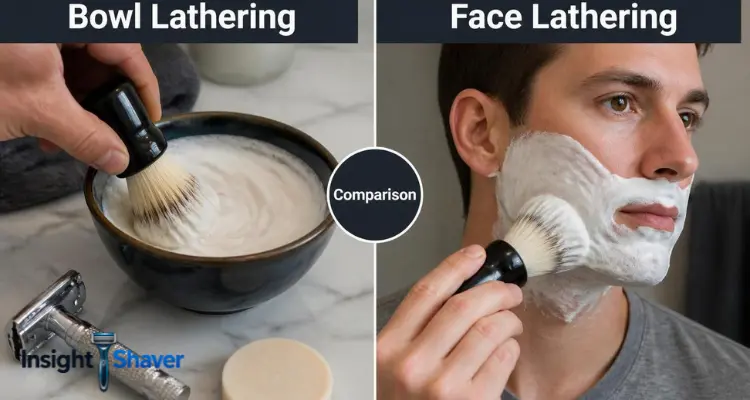
Choosing between bowl lathering and face lathering comes down to personal comfort more than any strict rule. Bowl lathering means building your lather in a separate dish before applying it, giving you full control over texture and hydration. Face lathering skips the bowl entirely, letting you work the soap or cream directly into your skin with the brush. Both methods produce a solid lather for a comfortable shave, but each brings its own advantages depending on your soap type, travel habits, and how much ritual you want in your routine. Below, we break down exactly what separates these two techniques so you can pick the one that matches your grooming style.
What Is Bowl Lathering?
Bowl lathering is often the first technique beginners try when they start using shaving soaps or creams with a brush. You load the brush, then whip the lather in a separate bowl before transferring it to your face.
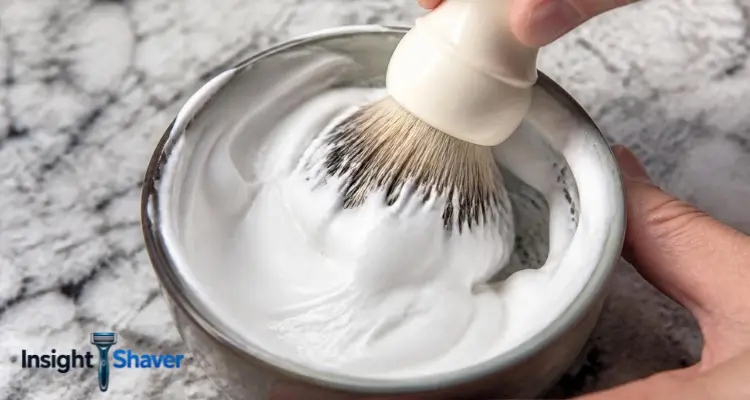
Full control over texture: You can watch the lather build and adjust water or soap until it’s exactly right.
Great for hot lathers: Warming your lather in a bowl adds a spa-like touch that face lathering can’t replicate.
Part of the ritual: Many wet shavers enjoy the process itself, and a bowl adds a satisfying, hands-on step.
Easy to experiment: Testing how much water a soap can hold is simpler when you’re not working directly on your skin.
The trade-off is that it adds a step, and you’ll need to buy and store an extra tool. If you like your lather on the denser side, though, going straight from puck to face might suit you better.
What Is Face Lathering?
Face lathering means loading the brush and building your lather directly on your skin, whether from a puck, a cream tub, or a couple of dabs applied straight to your face.
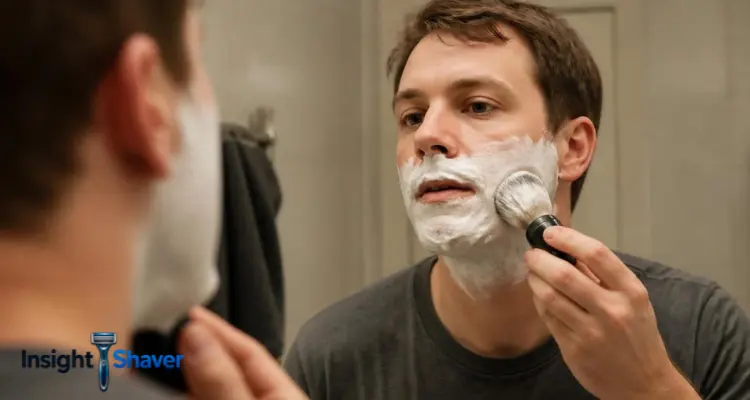
Fewer items to manage: No bowl means less to buy, wash, or find space for.
Deeper brush contact: More time on your skin can mean better product penetration into the stubble.
Mild exfoliation bonus: The extra brushing time can help lift away dead skin cells.
Ideal for travel: Skip packing a bowl and simplify your kit on the go.
Soap-friendly: Works especially well with fast-lathering tallow or triple-milled soaps.
The main downside is that dialing in the right consistency can feel tricky at first, especially without visual feedback from a bowl.
Which Method Should You Choose?
There’s no universal winner here. Many experienced shavers lean toward face lathering as their default and switch to a bowl only when a soap feels too dry or dries out too fast mid-shave. On the flip side, if a cream turns overly bubbly when face lathered, a bowl often fixes that instantly.
If you’re new to brush shaving, starting with a bowl is a smart move. It lets you actually see the lather’s consistency change as you add water, which builds confidence fast. Once you’re comfortable, try face lathering with a few different soaps to see how each one behaves.
Frequently Asked Questions
Is bowl lathering better than face lathering?
Neither is objectively better. Bowl lathering gives more visual control, while face lathering saves time and works well for travel.
Do I need a shaving bowl to get a good lather?
No. A good lather is achievable through face lathering alone, especially with quick-lathering soaps.
Which soaps work best for face lathering?
Tallow-based and triple-milled soaps tend to lather fast and work well directly on the skin.
Can I make a hot lather without a bowl?
Not easily. Hot lathering typically requires a bowl to hold and warm the mixture before application.
Is face lathering good for beginners?
It can be trickier at first since there’s no bowl to visually judge consistency, but it becomes easier with practice.
Does face lathering waste more product?
Actually the opposite—face lathering tends to use less soap since none is left behind in a bowl.
Final Thoughts on Bowl vs Face Lathering
At the end of the day, both methods get you to the same result: a good, protective lather for your shave. Try both, see how your favorite soaps and creams respond, and let your own comfort guide the final call.