
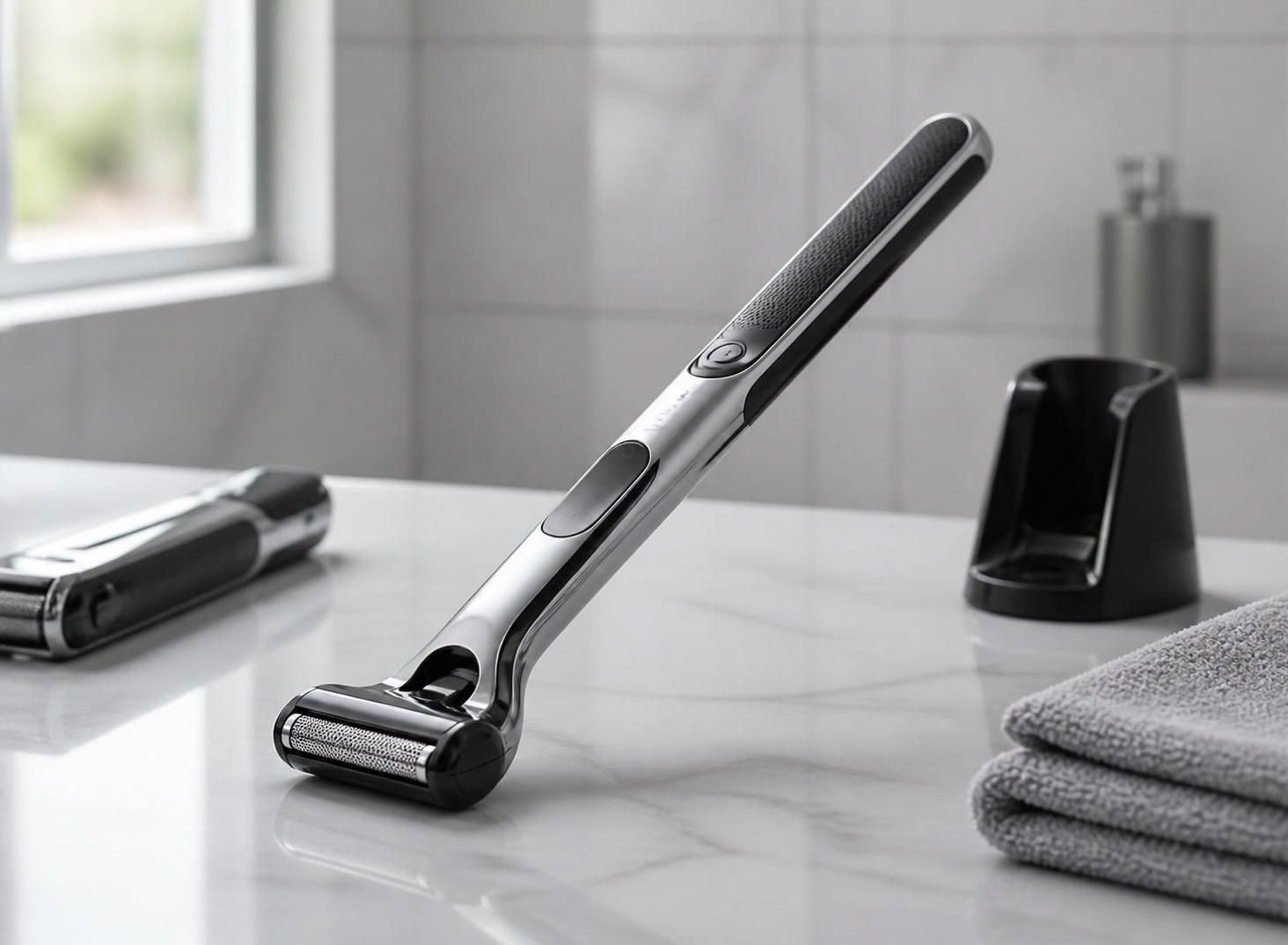
Mangroomer Ultimate Pro – Best Overall Choice
BRO Back Shaver 3.0 – Best Budget-Friendly Option
BakBlade 2.0 Back Shaver – Best for the Closest Shave
Philips Bodygroom Series 5000 – Best Cut-Resistant Back Shaver
Finding the best men’s back shaver is the difference between a frustrating shaving session and a smooth, cut-free result you can achieve on your own. Back hair removal has always been one of the hardest grooming tasks for men, mainly because the back is nearly impossible to reach without help. A good back hair remover solves this problem with a long handle, a wide shaving head, and a design built specifically for hard to reach areas. Whether you prefer an electric back shaver for convenience or a manual back razor for a closer trim, this guide breaks down every option, feature, and brand so you can choose the best back shaver for men with confidence, comfort, and zero guesswork.
Why Back Hair Removal Is So Difficult for Men
Shaving your back yourself is not like shaving your face, chest, or legs. The back is the one part of the body most men cannot see or reach properly, which turns a simple grooming task into a genuine physical challenge. This is exactly why hard to reach back hair remains one of the most common complaints among men who care about personal hygiene for men and overall grooming.
There are a few reasons back hair removal problems keep coming up:
- Limited arm mobility makes the middle and lower back nearly impossible to reach with a standard razor.
- Standard razors and trimmers are built for flat, visible areas, not the curves of the shoulder blades and spine.
- Attempting to shave without the right tool often leads to razor cuts while shaving back hair, uneven patches, or skin irritation after shaving.
- Asking someone else for help is not always convenient, and many men prefer a self grooming solution they can use in private.
This difficulty is exactly why a dedicated back shaving tool exists. Unlike a regular razor, a purpose built back hair trimmer is engineered around the geometry of the human back, so you get full coverage without needing a second pair of hands.
What Is a Back Shaver and How Does It Work
A back shaver is a grooming device specifically designed to remove hair from the upper, middle, and lower back without assistance. Most models use an extended handle razor, extended or telescoping arm, or flexible shaving arm that allows the blade or shaving head to bend around the shoulders and reach the center of the back. The wide blade shaver head then glides across the skin to cut hair close, often replicating the same closeness you would expect from shaving your face.
There are two core categories of back shavers, and understanding both is the first step in choosing the right one for your body grooming routine.
Electric Back Shaver
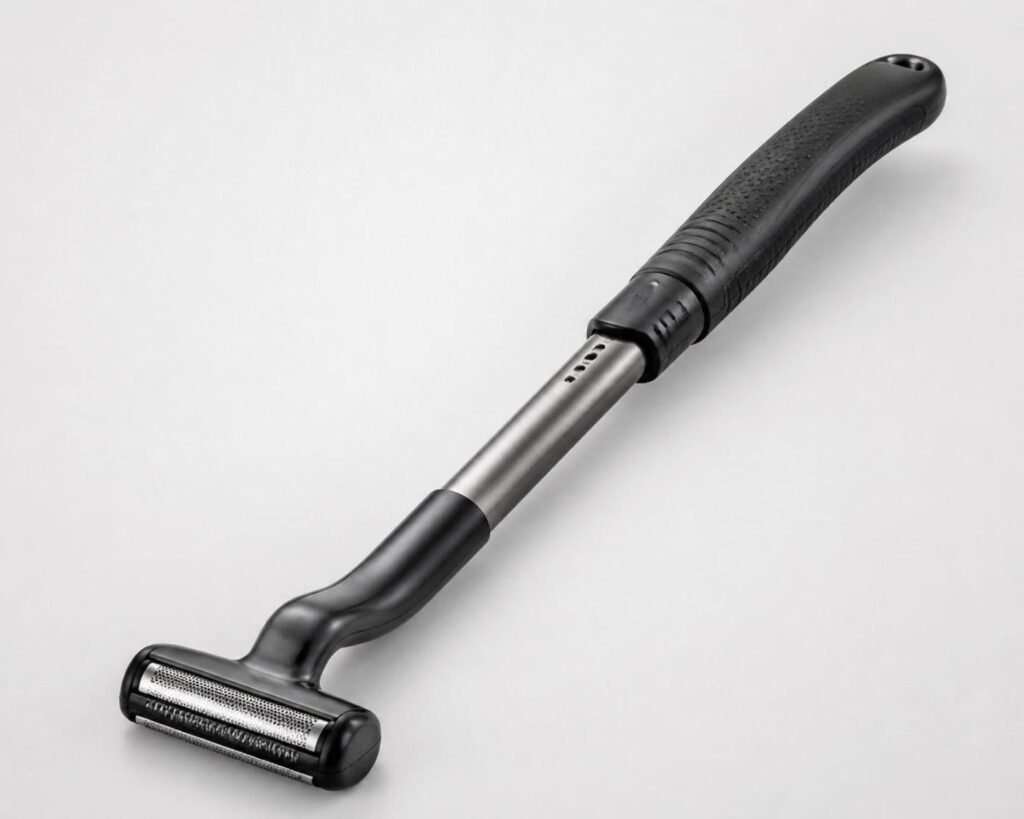
An electric back shaver is a cordless, battery powered back shaver or rechargeable body trimmer that uses a motorized blade or foil head to cut hair. Many electric foil groomer models are also a waterproof electric razor, which means you can use them comfortably in the shower where warm water and steam naturally soften hair for a smoother pass. Electric back shavers are popular because they require less arm strength and are gentler on sensitive skin.
Manual Back Razor
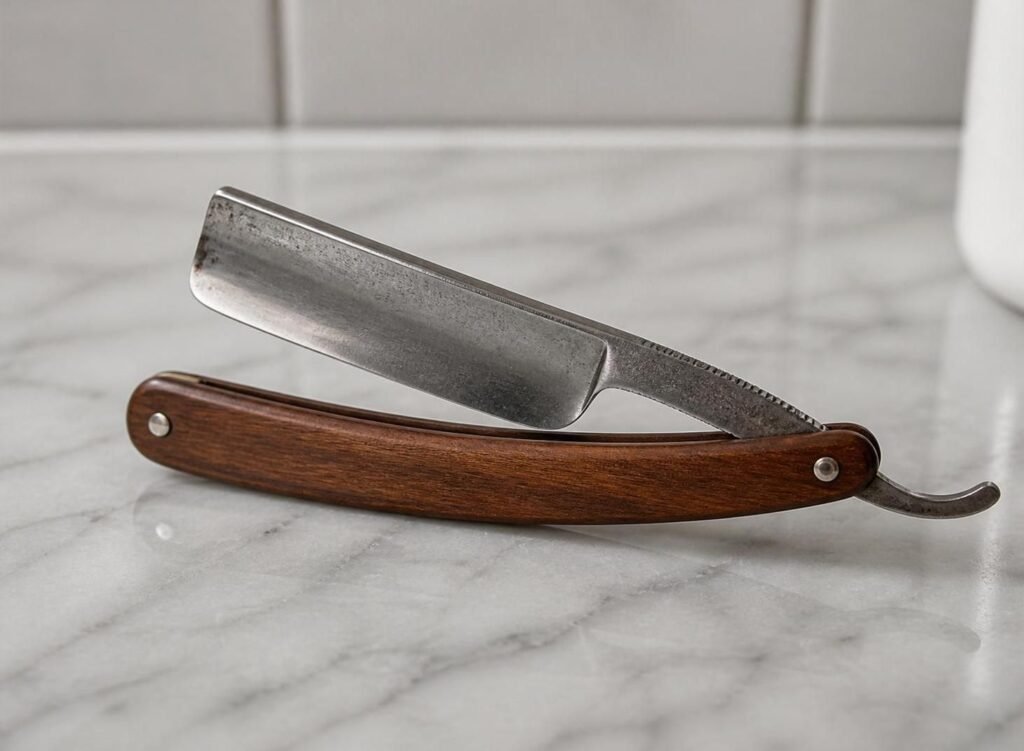
A manual back razor relies purely on a blade and a long handle shaving razor design, without a motor. These traditional back razor tools use a flexible strap or rigid handle to control blade angle. A manual back shaver typically delivers a closer shave than most electric alternatives, but it usually takes a bit more technique and confidence to use safely.
Electric vs Manual Back Shaver: Which One Is Right for You
One of the most searched comparisons in this category is electric vs manual back shaver, and the honest answer depends on your priorities. Below is a breakdown to help you decide based on your skin type, hair thickness, and grooming goals.
| Factor | Electric Back Shaver | Manual Back Razor |
|---|---|---|
| Closeness of shave | Good, slightly less close than a blade | Very close, blade level smoothness |
| Skin safety | Lower cut risk, safer for sensitive skin back shaver needs | Higher risk of nicks if used incorrectly |
| Shower use | Many are a waterproof back shaver | Some are water resistant, fewer are fully waterproof |
| Maintenance | Requires charging back shaver and occasional blade replacement | Needs frequent replace back shaver blades |
| Best for | Thick back hair remover needs, sensitive skin, beginners | Close shave results, budget manual back shaver users |
| Learning curve | Easier for first time users | Takes practice to master blade angle |
If you have coarse hair back shaver needs or dense body hair, an electric model with a stronger motor will usually perform better over repeated use. If you want the closest possible finish and don’t mind a slightly steeper learning curve, a manual back razor remains a strong choice, especially for men who already shave with traditional razors elsewhere on the body.
Key Features to Look for in the Best Back Shaver for Men
Not every back shaving tool is built the same. Before you buy, it helps to understand the features that actually matter for comfort, safety, and long term value.
Long Handle and Ergonomic Grip
A long handle back shaver with an ergonomic grip shaver design is the foundation of any good back hair trimmer. Look for an adjustable handle shaver or flexible shaving arm that can extend and contract to reach both the upper back near the shoulders and the lower back near the waistline. Without this reach, even the sharpest blade is useless.
Wide Shaving Head
A wide blade shaver head covers more surface area per stroke, which means fewer passes and a faster overall session. This is especially useful for men with dense body hair shaver needs, since a wider head reduces the number of times you need to reposition the tool.
Blade Quality and Replaceable Blades
Stainless steel blades hold an edge longer and resist corrosion, particularly important if you plan to use the tool in the shower. Replaceable blades extend the life of your shaver significantly, since a dull blade is one of the most common causes of razor burn and skin irritation after shaving.
Waterproof Design
A waterproof back shaver designed for shower use allows you to shave while your skin is warm and your pores are open, which typically results in a smoother, more comfortable shave with reduced razor burn.
Adjustable Shaving Angle
Because the back has curves and contours, an adjustable shaving angle helps the blade or foil maintain even contact with skin, reducing the chance of missed patches or uneven results.
Cordless and Rechargeable Battery
A cordless electric shaver with solid battery life gives you the freedom to move the tool around your body without worrying about a cord getting tangled behind your back. Most quality models offer enough charge for multiple sessions before needing a recharge.
Top Rated Back Shavers Compared
Below is a comparison of some of the most recognized names in the back hair remover category, based on their design approach, target user, and overall grooming philosophy. This comparison focuses on general product types and design categories rather than real-time pricing, since availability and models change often.
| Brand / Model Type | Shaver Type | Best For | Notable Design Trait |
|---|---|---|---|
| Mangroomer Ultimate Pro style | Electric, battery powered | Thick and coarse back hair | Flexible articulating head with wide coverage |
| BRO Shaver 3.0 style | Electric, cordless | Everyday maintenance shaving | Compact motorized head with extended arm |
| BakBlade 2.0 Elite style | Manual, extended handle | Close, blade level shave | Wide dual edge blade design |
| Philips Bodygroom Series 5000 style | Electric, foil groomer | Full body and back grooming | Multi zone attachments for versatile use |
Mangroomer Ultimate Pro Style Back Shavers
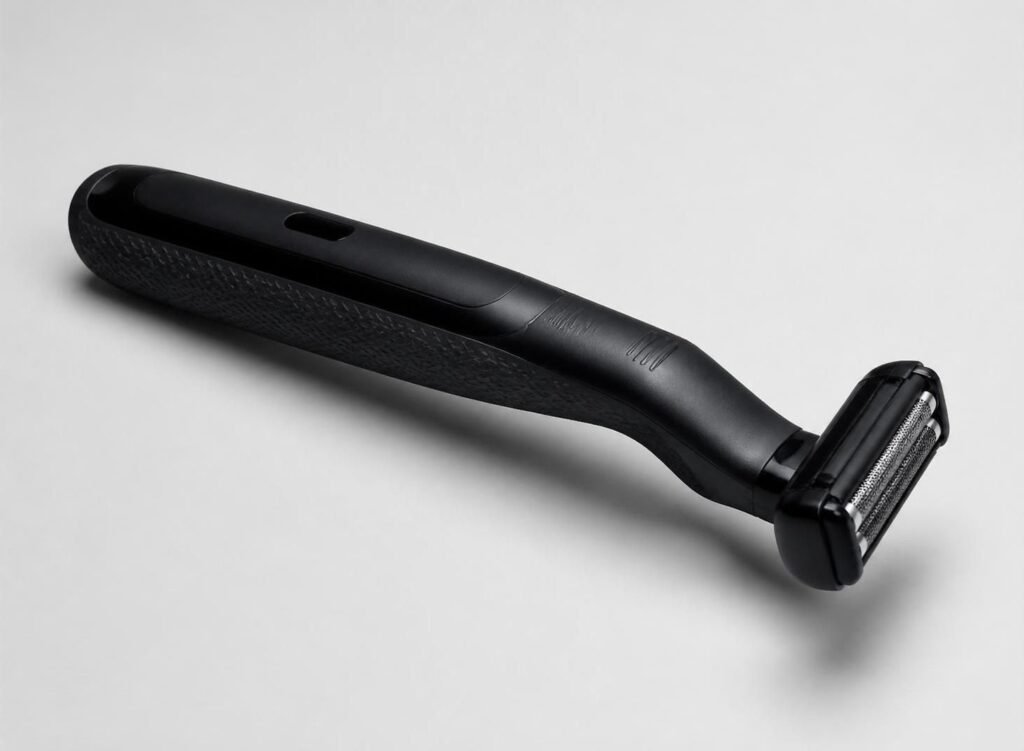
This category of electric body groomer is known for its flexible, articulating shaving head that bends to follow the curve of the back. It tends to suit men with thicker or coarser hair since the motor is generally built for higher cutting power. These units usually rely on a battery powered back shaver design, and some versions include a shock absorber feature so the blade maintains consistent contact with skin even as the handle bends.
Pros
- Strong motor suited to thick back hair remover needs
- Flexible head adjusts to back contours automatically
- Wide shaving head reduces the number of passes needed
Cons
- Bulkier than manual back razor alternatives
- Requires charging back shaver before extended use
- Higher price point than many manual options
BRO Shaver 3.0 Style Back Shavers
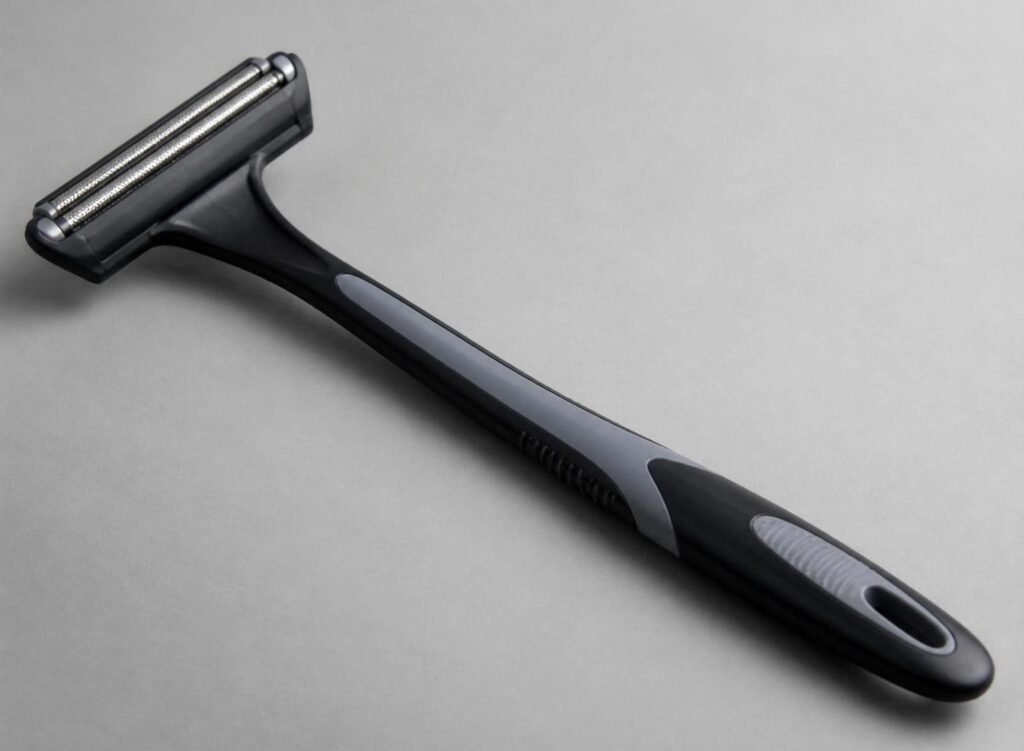
This style of cordless back shaver focuses on a simpler, more compact motorized design. It is often marketed toward men who want a straightforward, no-fuss electric foil groomer for regular maintenance shaving rather than a one-time deep back hair removal session.
Pros
- Lightweight and easy to maneuver
- Good option for maintenance shaving between deeper sessions
- Generally more affordable than premium electric models
Cons
- May struggle with very dense body hair shaver needs
- Smaller shaving head means more passes required
- Battery life can vary by unit and usage
BakBlade 2.0 Elite Style Back Shavers
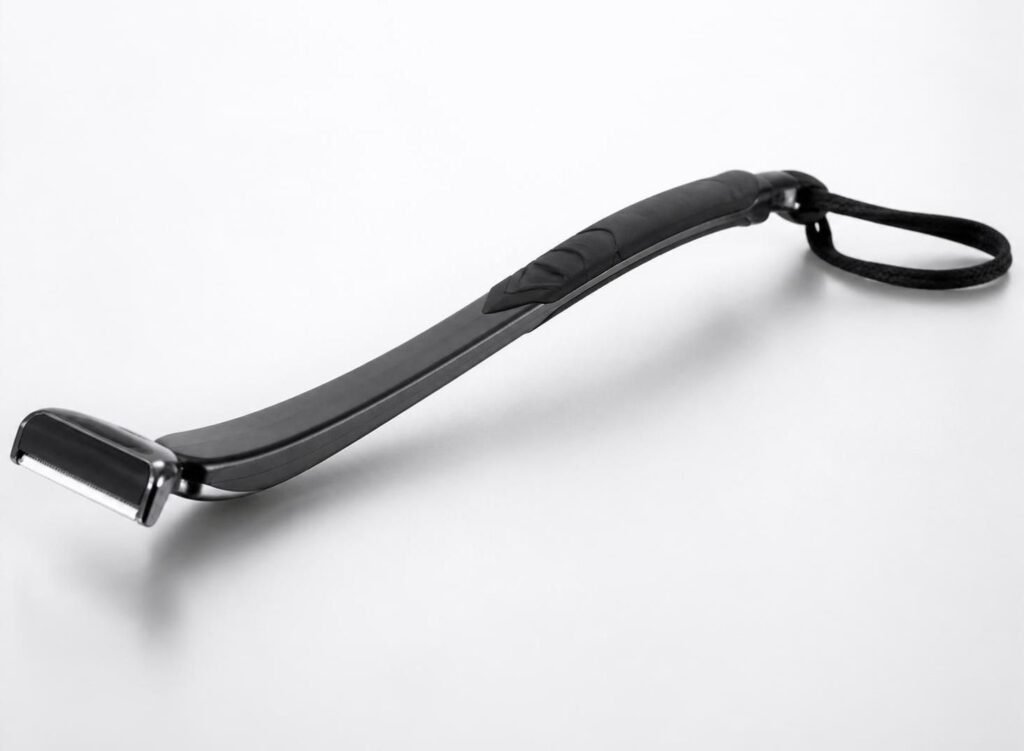
As a manual back razor, this design category is popular among men who prioritize close shave results over convenience. The wide, dual edge blade design allows for shaving in both directions, which can reduce the total time spent per session. Because it has no motor, there is no charging back shaver step involved, and many men appreciate the simplicity.
Pros
- Very close, blade level smoothness
- No batteries or charging required
- Often more budget manual back shaver friendly
Cons
- Requires more hand-eye coordination and confidence
- Higher risk of razor cuts while shaving back if used carelessly
- Blade replacement cost adds up over time with frequent use
Philips Bodygroom Series 5000 Style Back Shavers
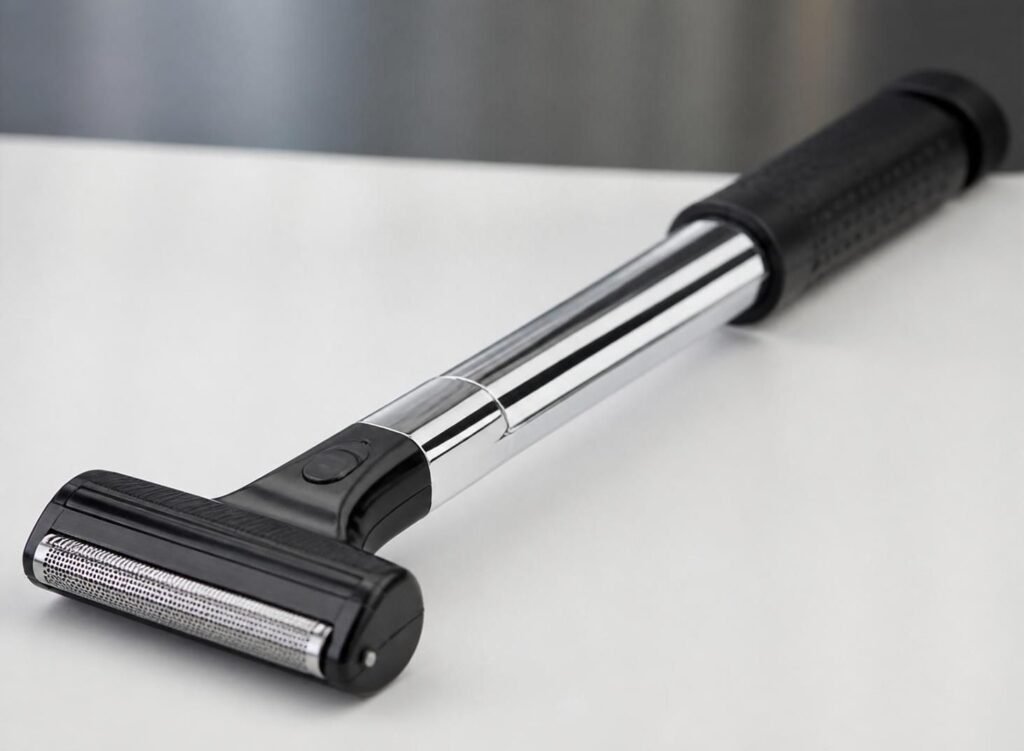
This category represents a broader, multi purpose men’s electric grooming device. Rather than being built exclusively as a back shaving tool, these units often include multiple attachments for full body trimmer use, covering chest hair removal, stomach hair removal, and even leg hair removal, alongside back hair removal.
Pros
- Versatile across the whole body, not just the back
- Waterproof electric razor design works well in the shower
- Skin friendly razor guards reduce nick risk
Cons
- Back-specific reach may be shorter than dedicated back shavers
- Attachments can be an extra step to manage
- May be less specialized for extremely thick back hair
Mangroomer vs BakBlade vs BRO Shaver vs Philips Bodygroom
Since so many men compare specific product styles before buying, it helps to look at how these four design categories stack up against each other head to head. This is not a ranking of one universal winner, since the “best” option depends entirely on your hair type, skin sensitivity, and whether you want an electric or manual experience.
Mangroomer style vs BakBlade style. The Mangroomer style electric approach wins on convenience and raw cutting power for thick, coarse hair, while the BakBlade style manual approach wins on closeness of shave and simplicity, since there is no battery to manage. If your priority is a fast, motorized session, lean electric. If you want blade level smoothness and don’t mind a bit more technique, lean manual.
BRO Shaver style vs BakBlade style. Both are relatively compact and beginner-friendly compared to bulkier full body groomers, but the BRO Shaver style motorized design generally requires less precision, making it a safer entry point for men who have never shaved their own back before. The BakBlade style manual razor still edges out on closeness once you’re comfortable with the technique.
Electric vs manual back shaver, revisited. Across all four categories, the consistent pattern holds: electric tools reduce risk and effort, while manual tools reward technique with a closer, longer-lasting result between sessions. Many men eventually end up owning one of each, using the electric version for regular maintenance shaving and the manual version for a deeper, more thorough session every few weeks.
Philips Bodygroom style versatility. Unlike the other three, which are purpose-built specifically for the back, the Philips Bodygroom style multi-zone groomer is designed to handle the entire body. This makes it a strong pick for men who want one men’s electric grooming device for the back, chest, stomach, and legs rather than investing in several single-purpose tools.
Honest Back Shaver Reviews: What Real Users Care About Most
When you read through tested back shavers and genuine body groomer reviews, a handful of themes come up again and again. Understanding what actual users prioritize can help you filter through marketing claims and focus on what matters for your own grooming routine.
Reach and flexibility top the list. In nearly every honest back shaver review, the single biggest factor in user satisfaction is whether the tool actually reaches the entire back, including the notoriously difficult center of the shoulder blades. A shaver with a short or rigid handle consistently receives lower ratings, regardless of how sharp its blades are.
Noise and vibration matter more than expected. For electric models, men frequently mention how much they notice motor noise and handle vibration during use. A quieter, more balanced motor tends to correlate with a more premium back shaver experience, even if cutting power is similar to louder budget alternatives.
Battery life claims are often optimistic. Many men’s grooming device reviews note that real-world battery life for a cordless back shaver tends to run shorter than advertised, especially with thicker hair that demands more motor power. Charging after every session, rather than waiting for a low battery warning, is a common workaround experienced users recommend.
Blade sharpness fades faster than people expect. Across expert back shaver analysis and everyday user feedback alike, blade dulling is consistently cited as the top reason performance drops over time. This reinforces why understanding replace back shaver blades schedules before you buy is just as important as the initial purchase decision.
Skin comfort separates good from great. Products with rounded safety guards and flexible pivoting heads consistently earn praise for reducing skin irritation after shaving, while rigid, non-articulating designs are more frequently associated with complaints about razor burn and uneven results.
Understanding Body Hair Growth and Shaving Technique
A big part of achieving smooth back shaving results comes down to understanding how hair growth direction affects your outcome, not just which tool you use. Hair on the back does not always grow in one uniform direction. It often shifts pattern across the shoulders, the center of the spine, and the lower back, which is one reason a flexible shaving arm with an adjustable shaving angle performs better than a rigid one.
When you shave with the grain, meaning in the same direction the hair naturally grows, you reduce friction and lower your risk of razor burn and ingrown hairs. This approach is gentler but leaves a very slight stubble rather than a completely smooth finish. Shaving against the grain, meaning in the opposite direction of hair growth, delivers a closer shave but increases the chance of irritation, particularly with a manual back razor.
For most men, a hybrid technique works best: an initial pass with the grain to remove the bulk of the hair safely, followed by a lighter second pass against the grain only in areas where a closer finish is desired. This method balances shaving comfort with a clean, close shave results outcome, without excessively increasing your risk of skin irritation after shaving.
The Role of Skin Type in Choosing a Back Shaver
Skin type plays a much bigger role in back shaver selection than most men initially realize. Just as facial skincare varies from oily to dry to combination, the skin on your back can react very differently to shaving depending on its natural sensitivity, oil production, and even sun exposure.
Sensitive skin. Men with a history of razor burn, redness, or ingrown hairs elsewhere on the body should prioritize a hypoallergenic back shaver with rounded safety guards, lower speed electric settings, and a gentle body groomer profile. Cut free back shaver technology, which uses guarded blades that maintain distance from the skin’s surface, is particularly valuable here.
Normal to oily skin. Men without a history of irritation generally have more flexibility in tool choice and can comfortably use either electric or manual options, including closer-cutting manual back razors, without significant risk.
Skin with existing conditions. Men managing conditions like folliculitis, keratosis pilaris, or eczema on the back should consult a dermatologist before establishing a regular back shaving routine, since aggressive shaving techniques can sometimes aggravate these conditions. When cleared to shave, a gentler electric foil groomer setting is typically the safer starting point.
Comparing Cost Over Time: Manual vs Electric Ownership
While the upfront price of a back shaver is what most buyers focus on first, the true cost of ownership unfolds over months and years of use. A budget manual back shaver might have a lower sticker price, but frequent replace back shaver blades cycles can add up, especially for men who shave weekly.
Electric models generally have a higher upfront cost but lower ongoing expenses, since most blade or foil heads on a quality electric body groomer last significantly longer than manual blades exposed to direct, repeated skin contact. However, electric units eventually require battery replacement or, in rare cases, motor servicing, which manual tools never need.
When evaluating best value back shaver options, it’s worth thinking in terms of total cost across a full year of typical use rather than the initial checkout price alone. A slightly more expensive premium back shaver with a longer blade lifespan and better warranty coverage can often work out cheaper in the long run than repeatedly replacing a budget manual back shaver’s blades.
Back Shaver Deals and Seasonal Buying Tips
If affordability is a priority, timing your purchase strategically can make a meaningful difference. Best back shaver deals tend to appear most frequently during major shopping periods, when men’s grooming products across the board see broader promotional pricing. Setting a price alert or comparing back shaver price trends over a few weeks before committing to a purchase can help you land a better deal without compromising on quality.
It’s also worth comparing bundles, since some listings combine a men’s grooming device with additional attachments, replacement blades, or travel cases at a better combined value than purchasing each item separately. Always confirm that bundled accessories are compatible with your specific model before assuming you’re getting extra value.
Back Shaver Buying Guide: How to Choose the Right One
Choosing the best back shaver for men comes down to matching the tool to your hair type, skin sensitivity, and lifestyle. Use the following decision points as your buying guide.
Step 1: Assess Your Hair Type
If you have thick back hair remover needs or coarse hair back shaver requirements, prioritize electric models with a stronger motor and wider head. If your back hair is finer or you shave more frequently for maintenance, a lighter electric or manual option will usually be enough.
Step 2: Consider Your Skin Sensitivity
Men with sensitive skin should look for a hypoallergenic back shaver or skin friendly razor with rounded safety guards. Features like anti irritation shaver technology, flexible skin guards, and gentle body groomer settings all reduce the risk of razor burn and post-shave redness.
Step 3: Decide Between Shower Use and Dry Use
If your routine involves shaving in the shower, a fully waterproof back shaver is non-negotiable. Not all “water resistant” tools are safe for full submersion or running water, so check the manufacturer’s waterproof rating before assuming a device is shower-safe.
Step 4: Set a Realistic Budget
A budget back shaver can absolutely deliver solid results for casual maintenance shaving, but a premium back shaver often comes with better build quality, sharper stainless steel blades, and a longer usable lifespan. Think of it as a best value back shaver decision rather than simply choosing the cheapest option available.
Step 5: Check Maintenance Requirements
Every back shaver eventually needs some form of upkeep. Electric models require periodic blade replacement cost consideration and battery care, while manual models need more frequent replace back shaver blades due to direct blade-to-skin contact.
How to Use a Back Shaver Safely and Effectively
Getting a smooth back shaving result is not just about the tool, it is also about technique. Follow these steps for safe, effective back hair removal at home.
- Prep the skin. Shave after a warm shower or use warm water directly on the tool if it is a waterproof back shaver, since this softens hair and opens pores for smoother cutting.
- Trim first if hair is long. If your back hair is particularly long or thick, use a lower setting or a trimming attachment first before doing a full shave for painless back hair removal for men.
- Follow hair growth direction. Shaving in the direction of hair growth reduces the risk of razor burn and ingrown hairs, while shaving against the grain gives a closer but sometimes harsher result.
- Use light, even pressure. Pressing too hard is one of the most common causes of razor cuts while shaving back, especially with manual back razor tools.
- Rinse the blade regularly. Keeping the shaving head clean throughout the session improves cutting efficiency and shaving comfort.
- Moisturize afterward. Applying a soothing, alcohol-free lotion after shaving helps prevent skin irritation after shaving and supports smooth skin long term.
Preventing Cuts, Irritation, and Razor Burn
A back shaver that prevents cuts typically includes safety guards, rounded blade edges, or flexible pivoting heads that follow the skin’s natural contours rather than digging into it. Still, technique plays a major role in avoiding common problems.
To reduce the chance of skin irritation after shaving:
- Never shave over the same area more than two or three times in a row.
- Replace blades as soon as they start to feel like they are pulling rather than cutting.
- Avoid applying excessive pressure, especially over bony areas like the shoulder blades and spine.
- Choose a cut free back shaver design with safety guards if you have particularly sensitive skin.
- Test a small area first if you are using a new device or blade for the first time.
Razor burn protection often comes down to a combination of sharp blades, correct technique, and proper aftercare rather than any single feature. Skin safe grooming tools reduce risk, but consistent gentle technique is what actually prevents most issues.
Back Shaver Maintenance: Keeping Your Tool in Top Condition
Proper back shaver cleaning extends the life of your device and keeps every shave as close and comfortable as the first. Maintenance requirements differ slightly depending on whether you own an electric or manual model.
Cleaning an Electric Back Shaver
Most electric foil groomer and body groomer models can be rinsed under running water if they carry a waterproof rating. After each use, remove any trapped hair from the shaving head, allow the unit to fully air dry, and store it in a dry, ventilated space to prevent corrosion or motor damage.
Cleaning a Manual Back Razor
A manual back razor should be rinsed thoroughly after each session to remove trapped hair and skin debris. Because these blades have direct, repeated contact with skin, they dull faster than motorized versions, which is why manufacturers typically recommend more frequent replace back shaver blades cycles.
Battery Care for Electric Models
For any battery powered back shaver, avoid letting the battery fully drain repeatedly, as this can shorten its overall lifespan. Charging back shaver units after each use, rather than waiting until the battery is empty, generally helps maintain consistent performance over time.
When to Replace Blades
A good rule of thumb is to replace blades as soon as you notice more pulling than cutting, visible dullness, or any signs of rust. Blade replacement cost varies by brand and model, but factoring this into your budget upfront helps you choose the best value back shaver for long term use rather than just the lowest upfront price.
Back Shavers for Different Body Types and Lifestyles
Not every man has the same grooming needs, and back shavers are increasingly designed with specific audiences in mind.
Grooming Tools for Hairy Men
Men with significant body hair management needs generally benefit most from electric models with strong motors and wide shaving heads, since these reduce the total number of passes required and minimize arm fatigue during longer sessions.
Athletes and Bodybuilders Grooming
For athletes grooming tools and bodybuilders grooming routines, a fast, efficient back hair trimmer that delivers close, even results is often a priority, especially ahead of competitions or beach body grooming season when a smooth, defined look matters.
Beginners and First-Time Users
If you have never used a back shaving tool before, an electric option with safety guards is usually the easier and safer starting point compared to a manual back razor, which requires more precision and confidence with blade angle.
Men With Sensitive Skin
Prioritize a hypoallergenic back shaver, skin friendly razor, and gentle body groomer settings. Lower speed settings and rounded safety guards significantly reduce the chance of irritation for skin that reacts easily to standard razors.
Full Body Grooming: Beyond Just the Back
While this guide focuses primarily on back hair removal, many of the same tools double as a full body trimmer for broader manscaping tools needs. A versatile men’s body groomer can typically handle chest hair removal, stomach hair removal, armpit hair trimming, and even leg hair removal, making it a practical addition to any male personal care routine. If you are investing in a back shaver already, consider whether a multi-attachment device might offer better overall value for your full body grooming routine.
Buy Back Shaver Online: What to Check Before You Purchase
When you decide to buy back shaver online, a few final checks can save you from a poor purchase decision.
- Read verified back shaver reviews rather than relying only on star ratings, since detailed reviews often reveal real-world durability and comfort insights.
- Compare warranty terms, since a longer warranty often signals more confidence from the manufacturer in their product’s durability.
- Check return policies, especially for electric back shaver purchases, in case the device doesn’t fit your hand comfortably or reach your entire back.
- Look at blade replacement availability, since some budget manual back shaver models use proprietary blades that can be harder to find later.
- Compare best back shaver deals across seasons, as pricing on men’s grooming products often fluctuates around major shopping periods.
Frequently Asked Questions
How often should men shave their back?
Most men find that shaving their back every one to two weeks keeps hair manageable without over-shaving the skin. This frequency can vary based on individual hair growth rate and personal grooming preference.
Can back shavers remove thick hair?
Yes, many electric back shavers, especially those built for thick back hair remover needs, are specifically designed with stronger motors to handle coarse or dense hair. Trimming longer hair down first can also make the process smoother.
Can you use a back shaver in the shower?
Only if the specific model is labeled as a waterproof back shaver or waterproof electric razor. Using a non-waterproof device in water can damage the motor and pose a safety risk, so always check the product’s water rating first.
Are electric back shavers safe?
Electric back shavers are generally considered safer than manual razors for beginners, since most include safety guards and rounded shaving heads that reduce direct blade-to-skin contact, lowering the risk of cuts.
Do back shavers cause cuts?
Cuts are possible with any shaving tool, but a back shaver that prevents cuts through safety guards, combined with light pressure and proper technique, significantly reduces this risk compared to using a standard razor without assistance.
How long do back shaver blades last?
Blade lifespan depends on usage frequency and hair thickness, but most blades should be replaced every few weeks to a couple of months with regular use, or sooner if you notice pulling, dullness, or reduced cutting performance.
Conclusion
Choosing the best men’s back shaver ultimately comes down to understanding your own hair type, skin sensitivity, and daily grooming habits. Electric back shavers offer convenience, safety, and shower-ready use, while manual back razors deliver a closer, blade-level finish for men who prefer full control. Regardless of which style you choose, the right back hair trimmer should feature a long, flexible handle, a wide shaving head, and quality blades built to handle your specific hair type. With proper technique, regular maintenance, and the right tool, painless back hair removal for men is no longer something that requires help from someone else. It is a simple, manageable part of a confident, well-rounded body grooming routine.